Thanks Yoga
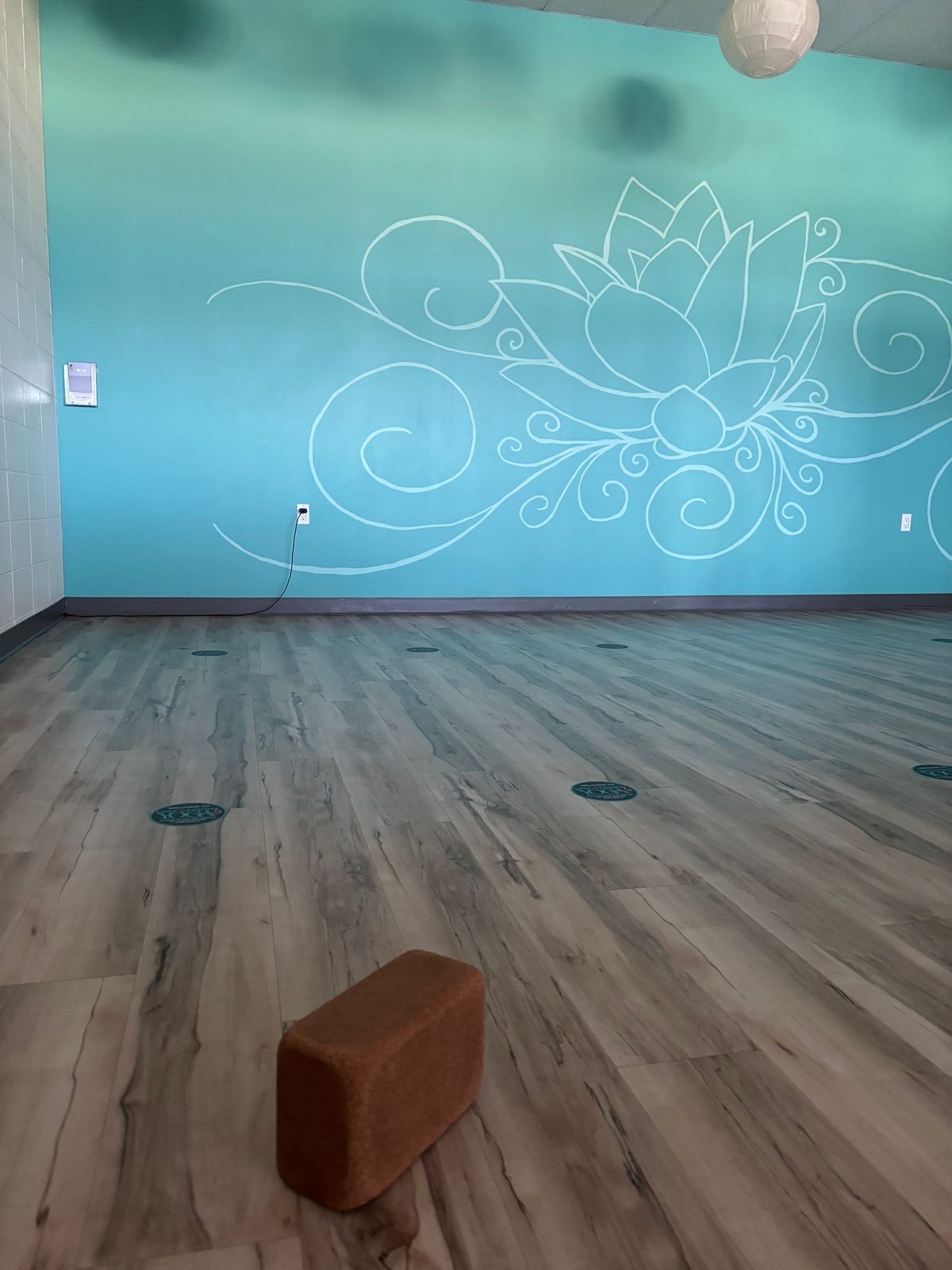
So last year I returned to yoga practice after a twenty-year hiatus.
Let me state from the outset that I am aware of the very real problematics of yoga. Capitalism, heteropatriarchy, and white supremacy have wrapped their tendrils around and through yoga, appropriating these ancient Indigenous ways of knowing and being for commercial profit. Yoga's emphasis on collective wellbeing has been drained in favour of neoliberal individualism and the commodification and weaponization of self-help. As a practicing yogi, I do my best to advance social justice through my practice and belong to communities advancing these efforts.
My return to yoga has been replete with reminders about the beautiful gifts that come with practice. Yoga has helped me hone life skills that, because I'm a trauma survivor, are sometimes lacking. I want to share these in case you are looking for new strategies to cope in this fucked up world.
- Acknowledging my limitations
I am a life-long high achiever who is devastated when I can't do things. This is all wound up in trauma and attached to my self-worth (a topic for another blog), but needless to say, I do not like acknowledging my limitations because it feels like life or death for me. Yoga is all about acknowledging your limitations. As one of my yoga teachers Sarah says, the practice of yoga involves riding the edge between interesting sensations and real pain. Pain is a physical acknowledgment of our limitations, and we are encouraged in our practice to honour it. Our instructors offer immediate accommodations to meet us where we're at in our individual practice. If a pose requires me to put my forehead on the floor and I can't (legit, in most cases I can't), I am offered options with props to make the pose manageable for me. Yoga has taught me, quite literally, how good it can feel to acknowledge your limitations.
- How to ask for and receive help
Acknowledging your limitations requires that you be able to ask for and receive help. Here's the problem: Trauma has taught me, for personal security, not to trust people, so asking for help isn't something I do easily. In fact, most of the time, I do everything in my power to handle things on my own. But the truth is that we can't do life on our own. Humans are communal animals, and I have almost drowned in life more times than I can count because I tried to carry the weight of living on my own. But asking for help, let alone receiving it, is entirely unusual and unnatural for me, and I suck at doing it.
As a practice, yoga requires that you both ask for and receive help, not only to improve precision in poses but also to ensure safety. Because of your personal brand of limitations, you will require individualized help to practice. You will need to ask your instructor for guidance and know how to accept it. In other words, yoga offers a safer space to practice these skills.
- Rest is required
We live in a capitalist world that has brainwashed us into believing that our worth as human beings is based on our productivity. "Grind culture" romanticizes the practice of working ourselves beyond our limits without regard for the short- and long-term consequences of doing so.
I first turned to yoga for exercise; however, 47-year-old Robyn returned to yoga to manage stress. I was in a high-profile senior administrative role working 60+ hours a week while trying to manage parenting my three young kids on my own. I thought I was handling things pretty well, but my body said otherwise. In addition to holding onto fat stores no matter what I did, my body was plagued by eczema, frequent illness, and panic attacks. Last summer, my doctor, therapist, and naturopath each warned me that if I didn't do something to manage stress, my health was going to collapse.
So I returned to yoga.
Yoga is active; however, it also emphasizes rest, particularly if you engage in yin or restorative practice. The last few minutes of every class are devoted to savasana, or the practice of rest. Yoga has reminded me that rest is essential to the proper working of our bodies. Rest not only manages stress but also restores your energy reserves and helps regenerate your body. In a world that demands productivity, rest is an act of resistance, and yoga provides a space to practice this.
- Feeling at home in my body
As a trauma survivor, I have a difficult relationship with my body. As a site of violence for me, I have cognitively dissociated from my body. In other words, I have one, but I don't pay much attention to it until it hurts too much and I cannot ignore it. I also have an obese body, which finds little acceptance or comfort in a world obsessed with thinness.
The word yoga is sanskrit for "to yoke," and the practice is intended to unite mind, body, and spirit. An awareness of your body and how it works and feels is essential to yoga practice, and this has improved my relationship with my body. Through yoga, I have come to realize that my body is stronger than I gave it credit for. I have developed the ability to scan my body to determine what feels good and what doesn't. I have learned how to listen to my body and respond in helpful ways. I have also come to understand that regardless of size, my body is sacred and deserving of care.
I am grateful for yoga and these lessons. This is, in fact, just four of many lessons my practice has taught me, and I am certain I will return to this theme in this blog. For now, I leave you with these to consider how yoga might have a positive impact in your life.
Namaste.